Scent & Uses · 4 min read
What Does Vetiver Smell Like?
A grower's honest description of vetiver's scent — smoky, rooty, earthy, woody — and why it's a foundational note in nearly every modern men's cologne.
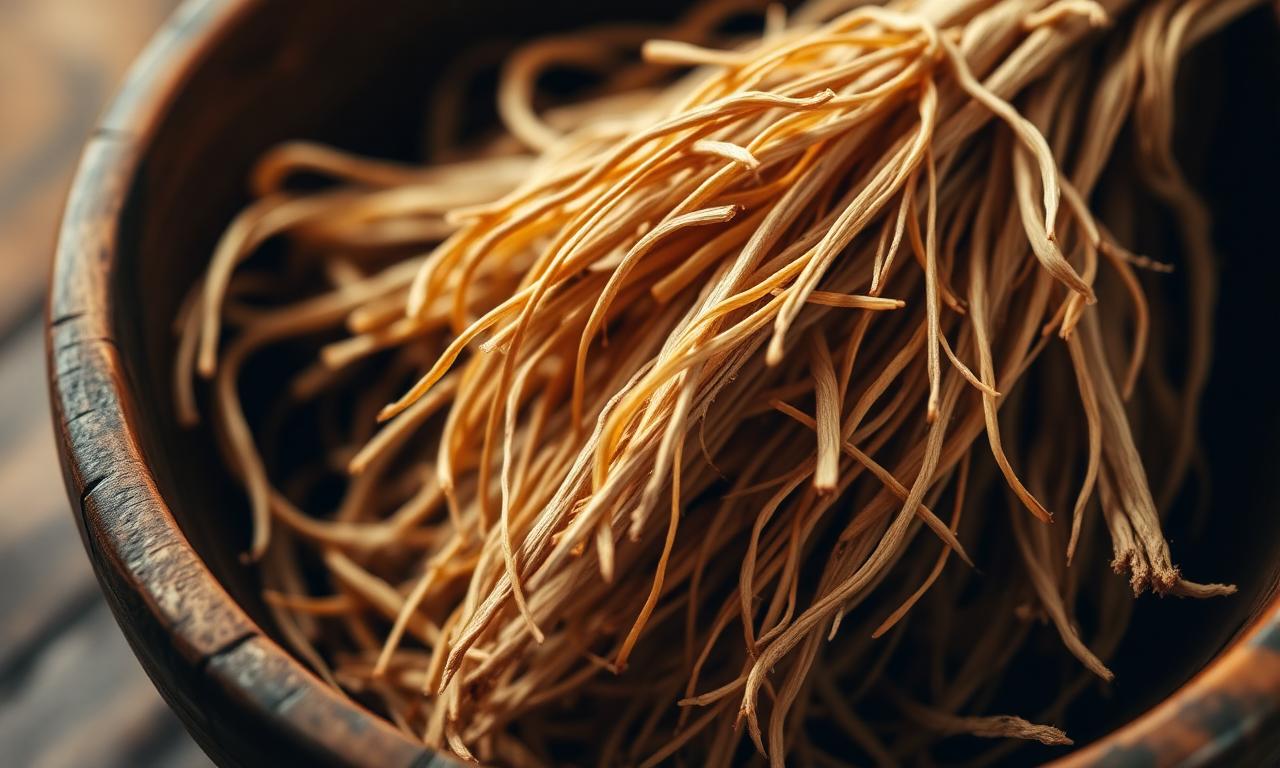
If you've ever smelled a "woody," "earthy," or "smoky" men's cologne, you've smelled vetiver. It's one of the most-used base notes in modern perfumery — but until you've held a freshly dug vetiver root in your hand, the descriptions don't quite land.
Here's what it actually smells like, from the people who grow it.
The honest answer
Fresh vetiver root smells like wet earth, smoke, and a faint citrus rind — all at once. Imagine pulling a carrot out of clay soil after a rain, then setting it next to a cooling campfire. Earthy, slightly damp, slightly sweet, with a smoky edge that lingers on your fingers for hours.
It's not floral. It's not fruity. It's the smell of ground itself — but in a way that reads as clean and grown-up rather than dirty.
Why perfumers love it
Vetiver oil (steam-distilled from the roots) does three things almost no other ingredient does:
- It anchors a fragrance. As a base note, it slows down how fast lighter notes evaporate, so the whole composition lasts longer on skin.
- It adds depth without sweetness. Most natural fixatives — vanilla, amber, musk — push a scent sweeter. Vetiver pushes it drier and more serious.
- It reads as both masculine and unisex in modern Western perfumery, which is why it's a backbone of cologne but also showing up in newer niche feminine fragrances.
If you smell a cologne and your reaction is "this smells expensive" or "this smells like a grown man", there's a very good chance vetiver is doing the work.
Haitian vs Indian vs Indonesian vetiver
Perfumers distinguish between regional vetiver oils the way wine people distinguish between regions:
- Haitian vetiver — cleaner, smoother, slightly sweeter. The most-used variety in mainstream perfumery.
- Indian vetiver (khus) — greener, more grassy, often distilled from younger roots. Common in traditional Ayurvedic preparations and Indian attar.
- Indonesian (Java) vetiver — smokier, more leathery, deeper. Used heavily in masculine fragrances.
US-grown vetiver from the southeast tends to fall closer to the Haitian profile — clean, balanced, slightly sweeter than Java.
Why does vetiver smell so good (or so bad)?
Some people genuinely don't like it on first sniff — the smoky-earthy register reads as "basement" or "wet cardboard" rather than "luxe cologne." That's almost always fresh root they're smelling, not aged or distilled oil. Distillation concentrates the smoother woody notes and burns off the more aggressive earthy compounds.
If you grow your own and don't love the raw root smell, dry the cut roots for a few weeks before using them in sachets or simmering pots. The scent mellows into something most people find immediately appealing.
Want to grow your own source?
A single mature vetiver clump produces enough root, by year two or three, to make sachets, simmering pots, or small distilled batches at home. Start with a few slips →
Frequently asked questions
What does vetiver smell like?
Vetiver smells smoky, earthy, and slightly sweet — like wet soil after rain with a faint woody, citrus-rind edge. In perfumery it reads as a dry, grown-up base note, which is why it's used in most modern men's colognes.
What does vetiver smell like in perfume?
In a finished perfume, vetiver shows up as a deep, woody, slightly smoky base note that makes a fragrance feel anchored and long-lasting. It pairs especially well with citrus top notes (grapefruit, bergamot) and with sandalwood or oud.
Why does some vetiver smell bad?
Fresh vetiver root can smell sharply earthy or even like wet cardboard. Distillation and aging mellow the rougher compounds, which is why bottled vetiver oil smells smoother than a root you just pulled out of the ground.
Is vetiver a masculine or feminine scent?
Historically it's been classified as masculine in Western perfumery, but it's effectively unisex — it shows up in plenty of feminine and gender-neutral niche fragrances. It reads as serious and clean rather than sweet or floral.
What does santal and vetiver smell like together?
Sandalwood (santal) is creamy and milky-woody; vetiver is dry and smoky. Together they create a warm, woody base that's softer than vetiver alone and more grounded than sandalwood alone — a very common pairing in modern niche perfumery.