Basics · 5 min read
What is Vetiver?
A grower's primer on vetiver (Chrysopogon zizanioides, also called khus) — the tropical clumping grass with a 12-foot root system and a thousand uses.
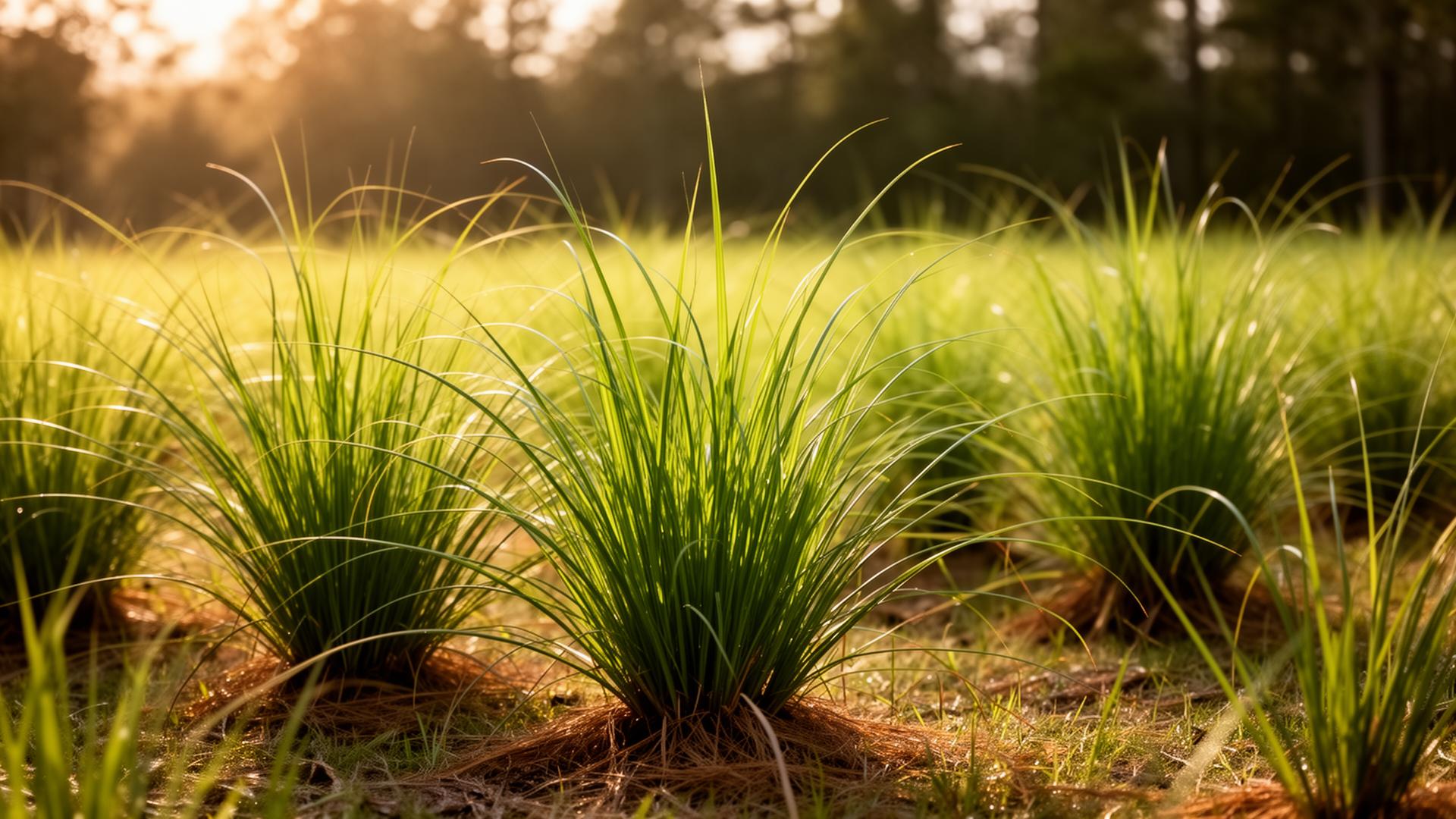
Vetiver is a tall, fine-leaved tropical clumping grass — botanically Chrysopogon zizanioides, and known in South Asia as khus, khus khus, or vattivellu. Above ground it looks like an oversized ornamental fountain grass, three to six feet tall. Below ground, its roots grow straight down in a dense curtain — often 10 to 12 feet deep within a couple of seasons. That root system is what makes vetiver one of the most useful plants on the planet.
A grass unlike any other
There are essentially two things to know about vetiver, and they're both about the roots:
- They go down, not sideways. A vetiver clump stays exactly where you plant it.
- They go very far down. Deeper than almost any other grass on earth.
Everything else — the erosion control, the fragrance industry, the soil remediation, the ornamental use — flows from those two facts.
What it is not
Vetiver is non-invasive when you grow the commercial cultivars. The plants we ship are sterile — they don't set viable seed, and they don't run by rhizomes the way bamboo or pampas grass do. We get this question a lot, so we wrote a separate piece on whether vetiver is invasive.
The names you'll see
Vetiver shows up under several names depending on who's writing:
- Vetiver — the common English name (sometimes spelled vetivert in older perfumery texts).
- Chrysopogon zizanioides — the current scientific name. You'll also see the older Vetiveria zizanioides.
- Khus or khus khus — Hindi/Urdu names, especially in cooling drinks, mats, and Ayurvedic medicine.
- Vattivellu — Tamil name, common in South Indian craft and traditional cooling.
They're all the same plant. We wrote up the story of the three names here.
Where it grows
- USDA zones 8–11 in the ground, year-round.
- Zones 7 and colder as an annual outdoors, or as a container plant brought in for winter.
- It loves heat, full sun, and well-drained soil, but tolerates clay, drought, brief flooding, salt spray, and very poor land.
What it's used for
- Erosion control — living hedgerows on slopes hold soil better than almost anything else. See erosion control with vetiver hedges.
- Landscape architecture — clumping ornamental grass for borders and screening. See vetiver for landscaping.
- Essential oil & perfumery — the roots are steam-distilled into vetiver oil, a deep, smoky base note in fragrance. Curious what it smells like? Here's a grower's answer.
- Mulch and thatch — the tops are cut for animal bedding, mulch, and craft fiber.
- Soil remediation — vetiver pulls heavy metals out of contaminated land.
If you've never grown it before, start with 5 or 10 slips and see what they do in your space. Most people end up coming back for more.
Frequently asked questions
What is vetiver?
Vetiver (Chrysopogon zizanioides) is a tropical clumping grass native to South Asia. It grows three to six feet tall above ground and sends roots up to 10–12 feet straight down, which is why it's used for erosion control, ornamental landscaping, and as the source of vetiver essential oil.
Is vetiver the same as khus?
Yes. Khus, khus khus, vattivellu, and vetivert are all names for the same plant — Chrysopogon zizanioides. Khus is the Hindi/Urdu name and is the term most often used in cooling drinks, mats, and Ayurveda.
How do you pronounce vetiver?
Most US growers say VET-i-ver (three syllables, stress on the first). The older spelling vetivert is pronounced the same way with a silent final t.
Is vetiver invasive?
The commercial cultivar sold for landscaping and erosion control is sterile and clump-forming — it doesn't seed and doesn't spread by rhizomes. It stays exactly where you plant it.
Where does vetiver grow in the US?
Vetiver is winter-hardy in the ground in USDA zones 8–11 — the warmer half of the country, from Florida and the Gulf Coast up through the Carolinas, west through Texas, and along coastal California. In colder zones it's grown as an annual or container plant.