Growing · 3 min read
Where to Buy Vetiver Plants in the US
A short, honest guide to finding live vetiver plants (slips) for landscaping and erosion control in the United States — what to look for and what to avoid.
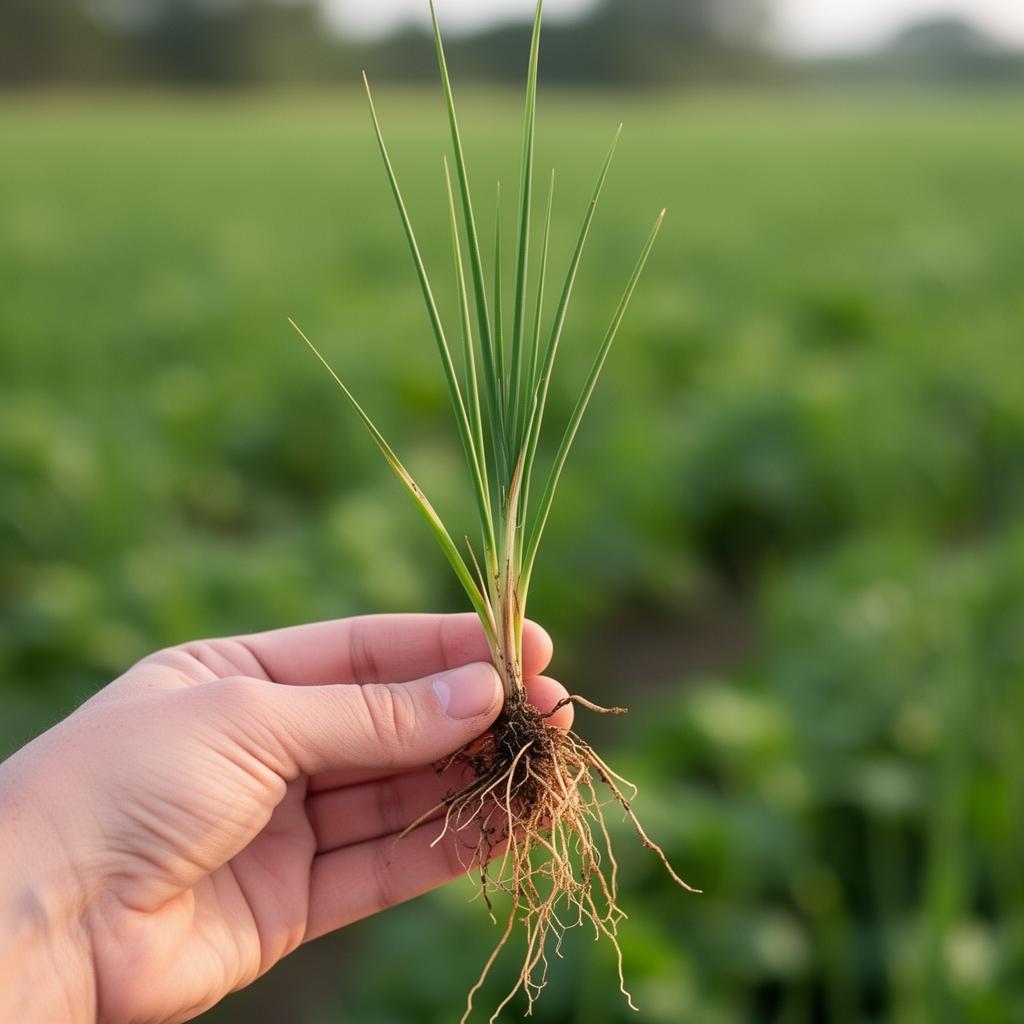
Live vetiver plants are surprisingly hard to find in the US — most big-box garden centers don't carry them, and a lot of what's listed online turns out to be seeds (which won't grow, because the commercial cultivar is sterile) or essential oil (a different product entirely).
Here's how to find the real thing.
What you're actually buying
Live vetiver is sold as bare-root slips (sometimes called "tillers" or "divisions"). A slip is a single mature stem cut from a parent clump with about 2–4 inches of root attached. They ship without soil, weigh almost nothing, and root easily once planted.
A reputable supplier will:
- Sell the sterile commercial cultivar (not seeds — seeds are a red flag).
- Ship bare-root, not in pots (pots add weight, soil, and shipping cost without helping the plant).
- Tell you what time of year they can ship to your zone. Most growers don't ship in deep winter.
- Be based in the US if you're in the US. International shipments of live plant material require USDA phytosanitary paperwork and usually get held at customs.
Where to look
Your options, in rough order of ease:
- Specialty vetiver farms — a small number of farms in the Southeast, California, and Hawaii grow vetiver specifically for the landscape and erosion-control market. We're one of them. (Our shop is here.)
- Native plant and erosion-control nurseries — some restoration-focused nurseries in the Gulf Coast states and California carry it seasonally. Call ahead.
- Etsy — a handful of legitimate small growers sell on Etsy. Look for sellers with hundreds of reviews specifically about vetiver, photos of mature clumps, and clear shipping windows. Avoid anything described as "vetiver seeds."
- Local botanical garden plant sales — occasionally vetiver shows up at these, especially in Florida and Louisiana.
What to avoid
- "Vetiver seeds" — the commercial cultivar is sterile. Any seed labeled vetiver is either mislabeled or won't germinate.
- Vetiver "essential oil" listed under plants — this is the distilled oil, not a plant. Useful for perfumery; will not grow into a hedge.
- International sellers shipping to the US — almost always blocked at customs.
- Sellers who can't tell you which cultivar — if they don't know whether it's sterile, assume it isn't, and pass.
How many slips to order
Some rough numbers:
- A single ornamental clump: 1 slip.
- A 10-foot erosion hedge: ~12 slips (spaced 8–10 inches apart).
- A 100-foot pasture contour line: 100–125 slips.
- A small privacy screen (20 feet, 3 ft on center): 7 slips.
Most growers (including us) offer bulk pricing once you cross 50 or 100 slips. If you're planning a big erosion project, ask about wholesale pricing.
When to order
Order in late winter or early spring for spring planting — that's when growers have the most inventory and shipping windows open up. By midsummer, most farms are sold out or have stopped shipping for the season.
Frequently asked questions
Where can I buy vetiver plants in the US?
Live vetiver slips are sold by a handful of specialty farms in the Southeast, California, and Hawaii, plus some erosion-control nurseries and small Etsy growers. Most big-box garden centers don't carry vetiver. Avoid anything sold as 'vetiver seeds' — the commercial cultivar is sterile.
How much do vetiver plants cost?
Single bare-root slips typically run $3–$8 each retail, with significant bulk discounts past 50 or 100 slips. Pricing depends on the grower, the season, and your shipping destination.
Can I buy vetiver seeds?
No — at least not seeds that will grow. The commercial vetiver cultivar is sterile and doesn't produce viable seed. Any listing for 'vetiver seeds' is either mislabeled or won't germinate. Buy bare-root slips from a reputable grower instead.
When is the best time to buy vetiver?
Order in late winter or early spring for spring planting, when growers have the most inventory and active shipping windows. By midsummer, most farms have sold down their stock or paused shipping until fall.