Design · 3 min read
Vetiver for Landscaping
Designing with vetiver as an ornamental grass — screens, borders, accent clumps, and pairing ideas for warm-climate gardens.
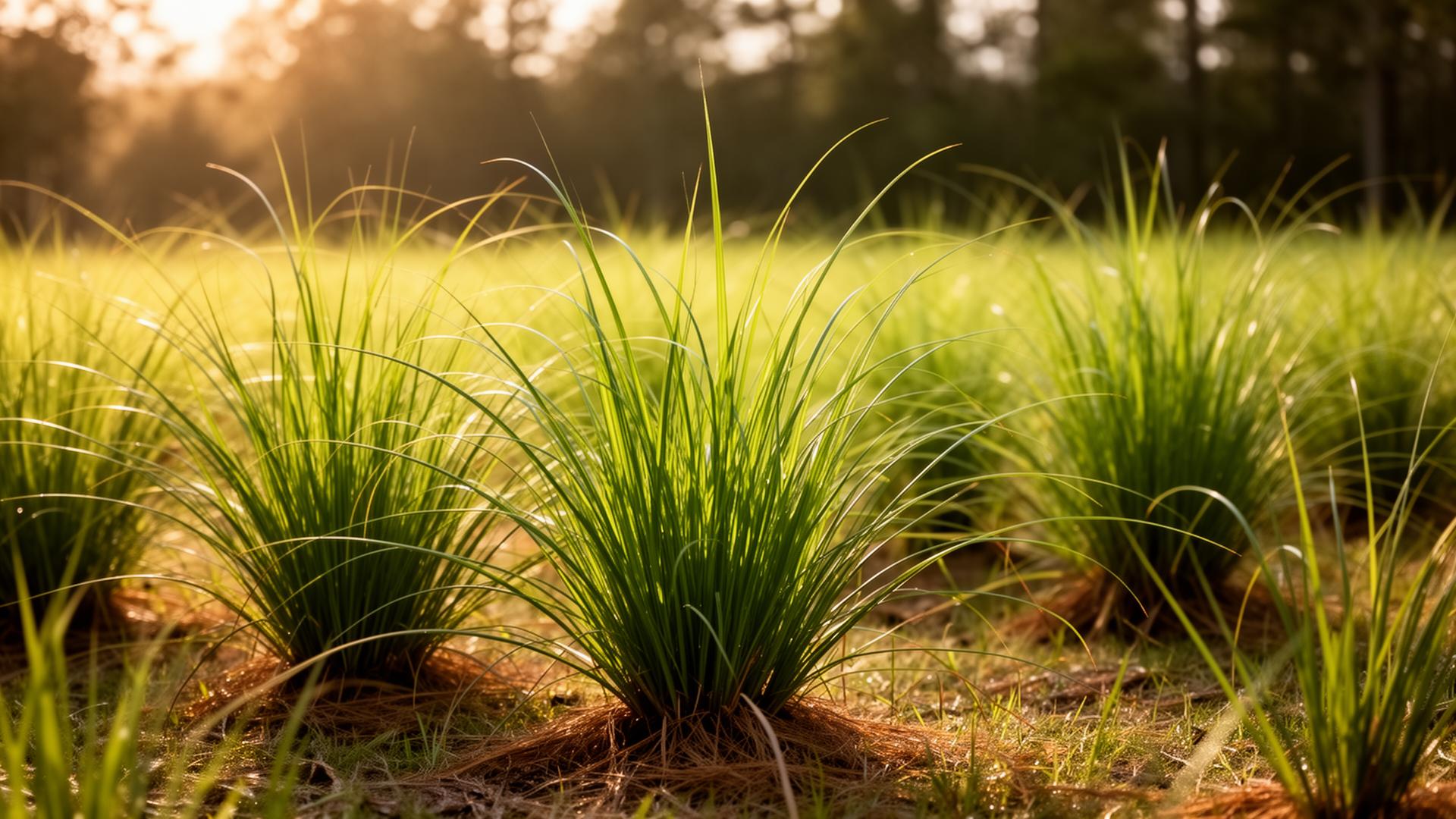
Most people meet vetiver through erosion control, but it earns its keep just as well as a pure ornamental.
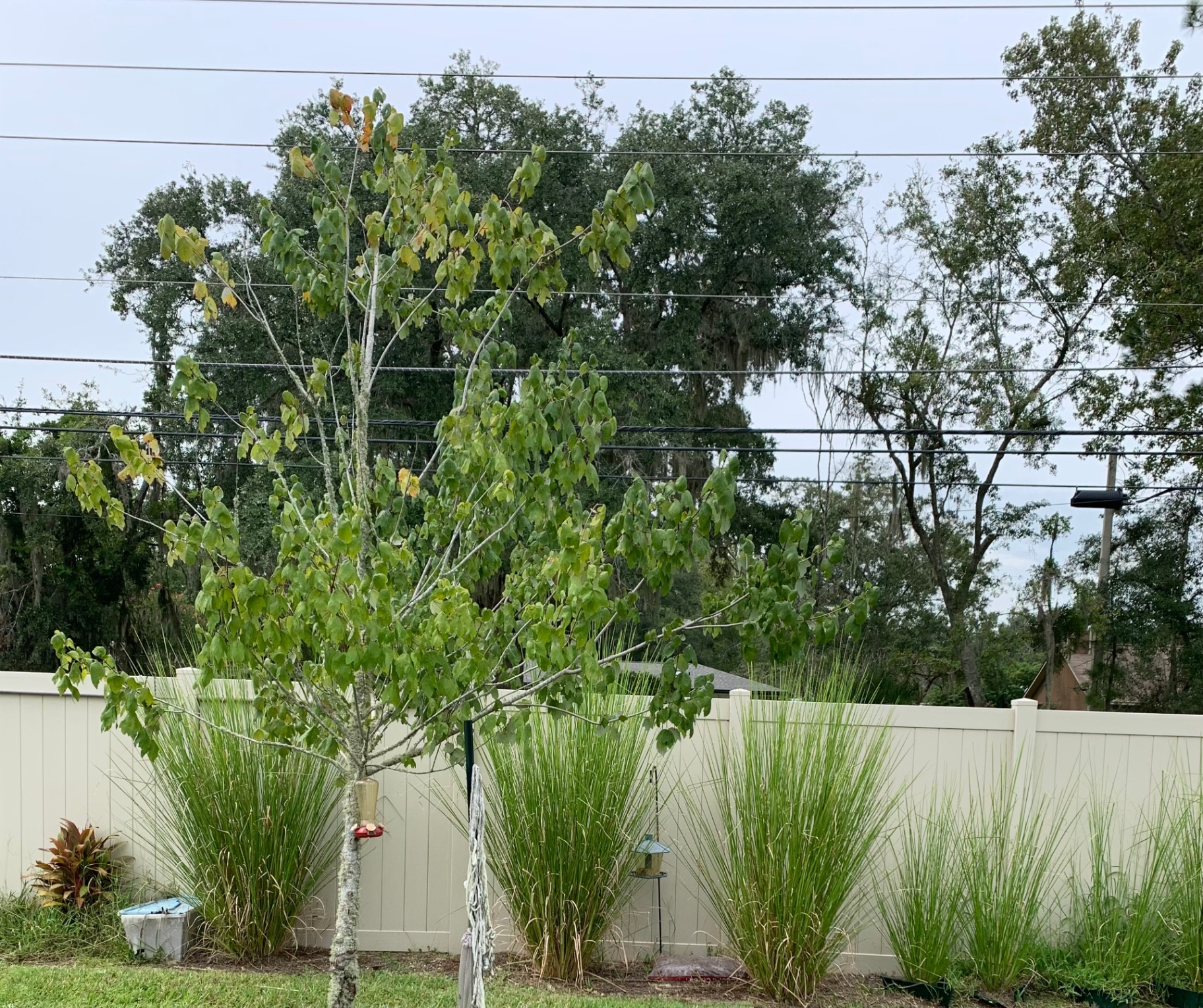
As a privacy screen
A row of mature clumps reaches 4–6 feet tall and just as wide. Plant them 3 feet on center and within two seasons you have a soft, swaying green wall that moves beautifully in wind — and stays exactly where you put it.
As an accent
A single clump, given room, looks like an oversized fountain of fine green blades. It pairs beautifully with stone, with terracotta containers, and with broad-leaved tropicals like canna and elephant ear.
In a border
Use vetiver the way designers use Miscanthus, but without the seed-spread worry. The texture is finer, the color is a deeper sea-green, and it holds shape all year in mild winters. We wrote a full comparison of vetiver, pampas, and miscanthus if you're weighing which to plant.
Care
Vetiver in a landscape needs almost nothing: a hard cut-back in late winter, a deep watering once a month during severe drought, and the occasional division if a clump gets enormous. No fertilizer, no spraying, no fuss.
Frequently asked questions
Is vetiver a good landscape plant?
Yes — it's a fine-leaved, fountaining clumping grass that works as a privacy screen, an accent specimen, or a border plant. It's drought-tolerant, non-invasive, and needs only one cut-back per year.
What plants pair well with vetiver?
Vetiver pairs especially well with broad-leaved tropicals (canna, elephant ear, banana), with stone and terracotta containers, and with low-growing perennials that contrast against its fine vertical texture.