Remediation · 6 min read
Vetiver for Phytoremediation: How a Grass Cleans Soil and Water
Vetiver's deep root system uptakes nitrogen, phosphorus, and heavy metals from contaminated soil and runoff. A practical primer on what it can and can't do.
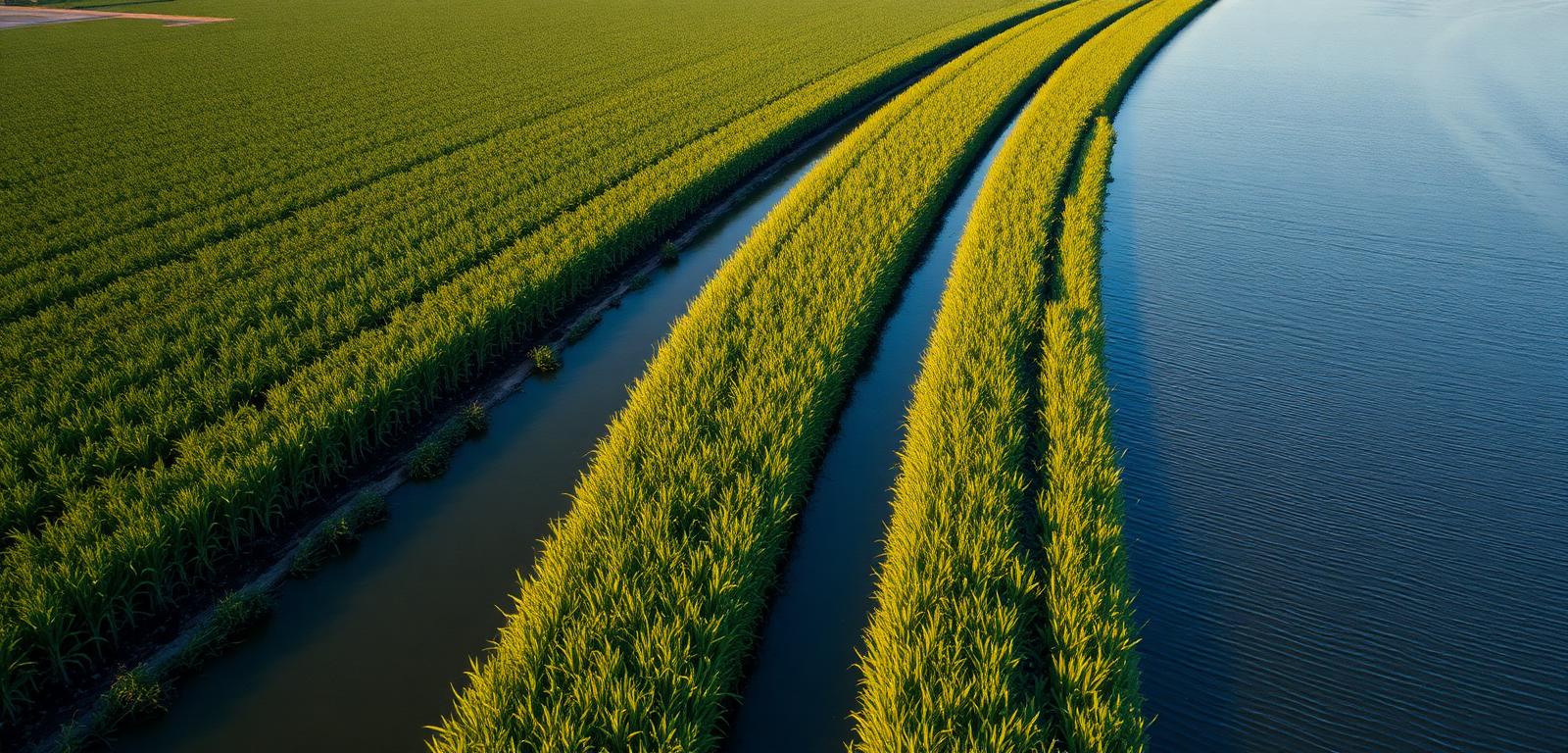
Phytoremediation is the use of living plants to pull contaminants out of soil, sediment, or water. Vetiver — Chrysopogon zizanioides — has become one of the most-studied plants in the field, for one structural reason: its roots routinely reach 10 to 12 feet deep, which puts it in contact with a column of soil and groundwater that almost no other grass can touch.
The science here is genuinely impressive, but it's also easy to oversell. This is a sober look at what vetiver actually does, where it shines, and where it doesn't.
What vetiver can pull out of soil and water
The peer-reviewed literature (much of it cataloged by the Vetiver Network International) shows measurable vetiver uptake of:
- Nitrogen and phosphorus — the two nutrients responsible for most agricultural and stormwater pollution in the US. Vetiver hedges along ditches and canals routinely remove 50–90% of dissolved N and P from passing runoff.
- Heavy metals — cadmium, lead, zinc, copper, chromium, arsenic, and mercury. Vetiver tolerates concentrations that kill most plants, and sequesters the metals primarily in the root tissue.
- Hydrocarbons — diesel, crude oil residue, and certain pesticides. Used on petroleum-impacted sites in Australia, Thailand, and the Gulf states.
- Excess salts — vetiver tolerates moderately saline soils where most grasses fail, making it useful for brackish edges and irrigation-impacted fields.
Why the root system matters
Most "buffer strip" or "cover crop" remediation works in the top 12 inches of soil. Vetiver works in the top 10 feet. That has two practical consequences:
- It intercepts contaminants moving through the soil profile before they reach groundwater.
- The dense root mat stays anchored through floods and droughts that wash out shallower plantings.
This is why agencies like the World Bank, the USDA NRCS, and Australia's CSIRO have all standardized on vetiver for specific remediation use cases — it's not magic, it's just deeper.
Where vetiver shines
- Nutrient runoff from agriculture — citrus groves, sugarcane, row crops, dairy operations. A hedge planted along a ditch or canal acts as a living filter.
- Stormwater outfalls — subdivisions, parking lots, golf courses. Vetiver in a swale traps sediment and pulls dissolved nutrients before water enters a receiving waterbody.
- Septic drainfield edges — in rural areas with high water tables (much of Florida, coastal Georgia, the Carolinas), vetiver hedges below drainfields intercept nutrient plumes before they reach surface water.
- Mine tailings and disturbed land — heavy-metal-tolerant, drought-tolerant, and capable of revegetating ground that won't support anything else.
- Landfill caps and leachate ponds — controls erosion of cover soil and reduces leachate volume through transpiration.
What it can't do
A few honest limits:
- It is not a remediation cure-all. Severely contaminated sites still need engineered systems. Vetiver augments them; it doesn't replace them.
- It needs warm soil. Vetiver thrives in USDA zones 8–11. Above the Mason-Dixon line you need to treat it as a seasonal installation or pair it with cold-hardy species.
- Harvested biomass loaded with heavy metals is a hazardous-waste problem. You can't just compost cut tops from a contaminated site — they have to be handled like the soil they came from.
- Establishment takes a season. A new planting won't filter much in month one. Most of the documented uptake numbers are from year-two and onward stands.
Designing a planting for remediation
Spacing matters more here than for ornamental use. For nutrient and sediment interception, plant slips 6–8 inches apart in a single row perpendicular to the flow of water. For larger volume (subdivision outfall, dairy lagoon edge), use two staggered rows 18 inches apart. The denser the hedge, the more contact time the water gets with the root mat.
Further reading
The peer-reviewed phytoremediation literature on vetiver is large — the Vetiver Network International maintains the most complete bibliography, organized by contaminant type and geography. If you're scoping a real project, start there.
If you have a specific Florida nutrient-runoff or septic situation in mind, our Florida runoff guide goes deeper on regional conditions, and our water-quality applications page walks through project sizing and pricing.
Frequently asked questions
What is vetiver phytoremediation?
Phytoremediation with vetiver uses the plant's deep root system to remove nitrogen, phosphorus, heavy metals, hydrocarbons, and excess salts from contaminated soil, sediment, and water. Vetiver hedges are used for agricultural runoff, stormwater, mine tailings, and landfill caps.
Does vetiver remove nitrogen and phosphorus?
Yes. Established vetiver hedges planted across the flow of runoff routinely remove 50–90% of dissolved nitrogen and phosphorus before water reaches a receiving canal, ditch, or waterbody.
Can vetiver remove heavy metals from soil?
Vetiver tolerates and accumulates cadmium, lead, zinc, copper, chromium, arsenic, and mercury at concentrations toxic to most plants. The metals concentrate primarily in the root tissue, which is why harvested biomass from contaminated sites needs to be handled as hazardous waste.
How long until a vetiver remediation planting is effective?
A new planting establishes in roughly one growing season. Most documented uptake numbers come from year-two and onward stands, once the root system has reached its mature depth and the above-ground biomass has knit into a continuous hedge.